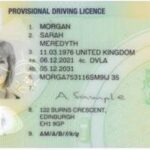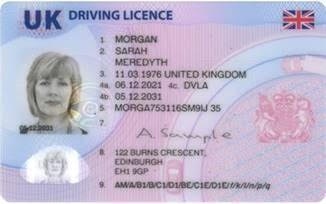
changing address on driving licence
Changing Your Address on a Driving Licence in the UK: A Complete Guide
Changing your address on your driving licence is an important process that ensures your personal details are up-to-date with the Driver and Vehicle Licensing Agency (DVLA). This step is essential not only for maintaining accurate records but also for ensuring that you receive crucial notifications and documents related to your driving, vehicle tax, and other driving-related matters. In this guide, we’ll go through everything you need to know about updating your address on your driving licence in the UK. Whether you have a full or provisional licence, we’ll explain the process, the penalties for not updating your details, and the importance of keeping your contact information current.
Why Is It Important to Change the Address on Your Driving Licence?
Your driving licence is an official document issued by the DVLA, and the address on it serves as the primary means of communication between you and the DVLA. If you move house, you are legally required to inform the DVLA about the change of address. Failing to do so can result in penalties, missed documents, and even complications with law enforcement. The key reasons to change your address on your driving licence include:
- Receiving Important Communications: The DVLA sends various important notifications, including reminders for road tax renewals, penalty notices, and, for provisional drivers, updates regarding their full driving licence. These communications are essential for staying on top of your driving obligations.
- Legal Requirement: According to UK law, you must notify the DVLA of any changes to your personal details, including your address. Failure to do so could lead to fines and other complications.
- Avoiding Missed Documents: If your address is out of date, you might not receive your new driving licence, vehicle tax reminders, or penalty notices. Missing any of these could lead to serious issues, including fines or driving with an expired licence.
Legal Requirement to Update Your Address
In the UK, it’s a legal obligation to notify the DVLA within two weeks of moving house. If you do not update your address within this time frame, you risk facing a fine of up to £1,000. Additionally, failing to change your address could result in you missing critical correspondence, such as road tax renewals, which could then lead to additional penalties.
Moreover, your driving licence is used as an official identification document. If it contains the wrong address, it can lead to complications in various situations, such as applying for loans or insurance, or even if you are stopped by the police.
How to Change Your Address on Your Driving Licence in the UK
The process for changing the address on your driving licence is straightforward. The DVLA provides several methods to ensure that you can update your details in the most convenient way. Here are the most common methods:
1. Changing Address Online
The easiest and quickest way to change your address on your driving licence is through the DVLA’s online service. This method is available to both full and provisional driving licence holders. Here’s how to do it:
- Visit the DVLA website: Go to the official DVLA website.
- Log in or create an account: If you don’t already have an account, you will need to create one. You will need to provide personal details, such as your driving licence number and National Insurance number.
- Provide your new address details: Fill in your new address information in the form.
- Review and confirm: Double-check your details, as the DVLA will use them to send you your updated driving licence.
- Receive confirmation: After you’ve completed the online form, you’ll receive a confirmation email or text message indicating that your details have been updated.
There is no charge for updating your address online.
2. Changing Address by Post
If you prefer not to use the online service or you don’t have access to the internet, you can update your address by post. Here’s what you need to do:
- Fill in the ‘Change of Address’ section: On the back of your driving licence, there is a section specifically for changing your address. Fill this section out with your new details.
- Use the D1 Form: If your driving licence doesn’t have the change-of-address section or if you prefer to complete a form, you can download the D1 form from the DVLA website. This form is used for various driving-related updates, including address changes.
- Mail the completed form: Send the completed form to the DVLA along with any necessary documents. There’s no need to send payment for this service, as changing your address by post is free.
- Wait for the new driving licence: The DVLA will process your request and send you a new driving licence with your updated address. This can take up to three weeks.
3. Changing Address by Phone
You can also change your address by phone by calling the DVLA customer service team at 07555983250. However, this method may be less efficient compared to online and postal options due to long waiting times. The customer service team will guide you through the process and update your details on your behalf.
What Happens After Updating Your Address?
Once you’ve successfully changed your address, the DVLA will update your details in their system and issue you a new driving licence with your updated address. It may take a few weeks to receive your new driving licence, but in the meantime, your old licence remains valid. Make sure to check your mail regularly to ensure that you receive it.
While you wait for your new driving licence, it’s essential that your old one is still valid. You should carry it with you whenever you’re driving. You should also make sure that the address on your driving licence matches the address on any other related documents, such as your vehicle registration certificate (V5C) and insurance policy.
What Are the Penalties for Not Updating Your Address?
If you don’t update your address on your driving licence within the required two-week period, you risk facing a fine of up to £1,000. This fine is enforced under the Road Traffic Act and applies regardless of whether you were aware that your details were incorrect.
Additionally, not updating your address could lead to missed notifications from the DVLA, which may result in further fines or penalties, such as:
- Fines for missed tax renewal: If you don’t receive your road tax reminder because of an outdated address, you may miss the payment deadline and face penalties for late payment.
- Complications in case of accidents or legal matters: If the DVLA sends you notifications that you miss, you could face complications if you’re involved in an accident or if there’s any legal issue related to your driving.
What If I Move Abroad?
If you move abroad, you are still required to update your address with the DVLA. In this case, you will need to contact the DVLA by phone or post, as the online service may not be available for foreign addresses. Additionally, if you intend to live abroad for an extended period, you may also need to consider the impact on your UK driving licence and whether you need to exchange it for a foreign one.
Do I Need to Change My Address on Other Documents?
When you move to a new address, updating your driving licence is just one of the tasks you need to take care of. Other documents that may need to be updated include:
- V5C Vehicle Registration Certificate: If you own a vehicle, ensure that your V5C document has your new address.
- Car Insurance Policy: Notify your car insurance provider about your change of address, as this may affect your insurance premiums.
- Bank and Credit Card Providers: Make sure your bank and credit card companies have your new address so that you don’t miss any important mail, including statements and credit card bills.
Frequently Asked Questions (FAQs)
1. How long does it take to get my new driving licence after changing my address?
It typically takes up to three weeks to receive your new driving licence. During this time, your old licence remains valid.
2. Is there a charge for updating my address on my driving licence?
No, there is no charge for updating your address on your driving licence, regardless of whether you do it online, by post, or by phone.
3. Can I change my address if I’ve lost my driving licence?
Yes, you can still update your address even if you’ve lost your driving licence. You will need to report the lost licence to the DVLA and follow the procedures for getting a replacement.
4. What happens if I don’t update my address?
If you don’t update your address, you may face a fine of up to £1,000 and miss important communications from the DVLA, which could lead to further penalties or complications.
Conclusion
Changing your address on your driving licence is an essential task that ensures your personal details are up-to-date with the DVLA. By following the simple steps provided in this guide, you can ensure that you remain compliant with UK law, avoid penalties, and continue receiving important driving-related communications. Whether you choose to update your details online, by post, or by phone, it’s crucial to act quickly and keep your address current to avoid any future complications.
changing address on driving licence
changing address on driving licence changing address on driving licence changing address on driving licence changing address on driving licence changing address on driving licence changing address on driving licence changing address on driving licence changing address on driving licence changing address on driving licence changing address on driving licence changing address on driving licence changing address on driving licence changing address on driving licence changing address on driving licence changing address on driving licence