check my driving licence uk
If you’re trying to check your UK driving licence, the key is to follow the correct process for what you actually need to confirm. In the UK, driving licence records are managed by the DVLA (Driver and Vehicle Licensing Agency), and the right steps depend on whether you want to check licence validity, renewal status, penalty points, entitlements (categories), address details, medical reporting, or a replacement.
This guide walks you through a clear process and what to do next—so you can handle your driving licence efficiently and avoid common mistakes.
Step 1: Identify what you’re trying to check
Before you start, be specific. People search “check my driving licence UK” for different reasons, and each reason has a different outcome. Choose the closest match:
- Check if your licence is still valid / when it expires
- Check penalty points or endorsements
- Confirm what vehicle categories you’re allowed to drive
- Update your address or personal details
- Renew your licence
- Replace a lost, stolen, or damaged licence
- Report a medical condition (if required)
- Correct an error you believe exists on your record
Write down what you need to confirm. This helps you choose the right route and avoids repeated applications.
Step 2: Use your current licence details to prepare
Most licence-related processes require certain information. Have the following ready where applicable:
- Your driving licence number
- Your personal details as shown on your licence (name, address history if needed)
- Any reference numbers you have (from letters, email confirmations, or prior applications)
- If it relates to offences: details of the notice/case/reference you received
If you don’t have your licence number because it’s lost or damaged, you’ll need a different route (replacement process first).
Step 3: Choose the correct DVLA service type
Your next step is to match your goal to the correct licence task. Think of it like this:
A) If you need validity/expiry info
- The goal is to confirm whether you can legally drive right now and when renewal is due.
- What to do: follow the DVLA guidance for licence checks and/or renewal based on your licence type and expiry timeline.
B) If you need penalty points / endorsements info
- The goal is to understand what DVLA has recorded.
- What to do: follow DVLA’s official route for penalty points/endorsements checking (or use the process DVLA provides for licence-related history if that’s what you need).
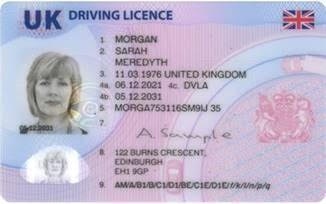
C) If you need categories/entitlements
- The goal is to confirm what you’re allowed to drive.
- What to do: check your licence entitlement details and make sure any changes match what you’ve applied for (e.g., test pass or exchange).
D) If you need to update address
- The goal is to ensure your record matches your current address so DVLA can contact you.
- What to do: complete the DVLA address update process using the correct method and required identity information.
E) If you need renewal
- The goal is to renew before your licence becomes invalid.
- What to do: start renewal early, follow document requirements, and keep proof of submission/reference numbers.
F) If your licence is lost/stolen/damaged
- The goal is replacement.
- What to do: apply for a replacement, and if stolen, report theft where required by the process. Keep confirmation details.
G) If medical fitness to drive applies
- The goal is to stay compliant and safe.
- What to do: review DVLA medical guidance for your condition and complete any reporting obligations through the official process.
H) If you think something is wrong on your record
- The goal is correction.
- What to do: collect evidence (letters, notices, old documents), then request a correction through DVLA using the correct channel for licence record changes.
Step 4: Follow the DVLA instructions exactly (this matters)
The most important “what to do” step is to follow instructions carefully. Common reasons licence checks or requests fail include:
- entering details incorrectly,
- using an old address when updating,
- missing required documents,
- submitting via the wrong service type,
- not keeping reference numbers.
Tip: read requirements twice before submitting. If you’re not sure which option to select, stop and confirm the correct route rather than guess.
Step 5: Submit, then keep proof and reference details
Whether you’re applying to renew, update, replace, or request a check, you should:
- Save any confirmation page or email
- Note reference numbers
- Keep screenshots or printed proof where appropriate
- Write down the date you applied
This becomes important if you need to follow up later.
Step 6: Track progress and act on any follow-up requests
After you submit your request:
- Monitor for any follow-up instructions from DVLA
- Respond promptly if they ask for additional documents or information
- If timelines are urgent (e.g., expiry is close), contact DVLA through the correct official contact method rather than relying on unofficial advice.
If you do nothing after submission, delays can become larger problems.
Step 7: If you receive a result you’re unhappy with—what to do next
Sometimes, the outcome isn’t what you expected (for example: your record doesn’t match what you believed, points look wrong, or an entitlement category doesn’t reflect your situation).
What to do:
- Compare it to your evidence (your licence, notices, training certificates where relevant, court documents if applicable).
- Identify the exact discrepancy (date, category, number of points, status).
- Use DVLA’s correction process for inaccurate licence information.
- Keep everything documented.
Avoid making assumptions based on one piece of info. Licence records should be verified using official routes.
Step 8: Avoid common mistakes when checking your licence
Here are common mistakes people make when trying to “check my driving licence UK”:
- Using third-party websites that may not reflect the latest DVLA record
- Waiting until expiry to act
- Updating address late, causing you to miss official correspondence
- Assuming categories automatically update after a test—entitlements still need to be correct
- Not reporting medical conditions when required
- Not saving reference numbers
Your goal is to stay compliant and reduce administrative stress—so prevention is better than fixing errors later.
Quick Checklist: What to Do Today
Use this simple checklist:
- Decide what you need to check (expiry, points, categories, address, replacement, medical, or correction).
- Gather your driving licence number and personal details.
- Choose the correct DVLA process for that specific task.
- Follow DVLA instructions exactly.
- Save confirmation and reference numbers.
- Respond to follow-up requests quickly.
- If something looks wrong, collect evidence and request a correction through official channels.
FAQ (Process-Based)
1) What if I’m checking but my licence is expired?
If your goal is to drive legally, you must follow renewal or reapplication steps before you rely on driving as usual. Start renewal as soon as you can.
2) What if I don’t have my licence because it was lost or stolen?
You’ll need the replacement process first. You generally won’t be able to “check” the licence details in the same way without having access to your licence number—so start with replacement.
3) What if my address is wrong?
Update your address using the correct DVLA route to ensure future correspondence reaches you and your record matches your current details.
4) What if the category on my licence isn’t what I expected?
If you recently passed a test or changed entitlements, you may need to verify your entitlement record and request correction if it doesn’t match your situation.
Conclusion
The process to check your UK driving licence is simple once you focus on one question: what exactly do you want to confirm? After that, you follow the appropriate DVLA route—whether it’s checking validity, renewing, replacing, updating your address, managing penalty points information, reporting medical conditions, or correcting mistakes.
check my driving licence uk
check my driving licence uk check my driving licence uk check my driving licence uk check my driving licence uk check my driving licence ukcheck my driving licence uk