Understanding the Process of Obtaining a Driver’s License in the UK
driver’s license
A driver’s license is not just a piece of plastic; it represents freedom, independence, and the ability to navigate the roads safely. In the UK, obtaining a driver’s license involves a structured and well-defined process, starting from initial applications to passing various tests. This guide will illuminate everything you need to know about obtaining a driver’s license in the UK, including eligibility, application processes, types of licenses, and tips for success.
Types of Driver’s Licenses in the UK
Before diving into the application process, it’s essential to understand the different types of driver’s licenses available in the UK:
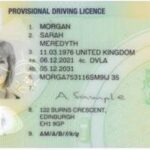
- Provisional License: This is the first step for new drivers, allowing them to learn to drive under supervised conditions.
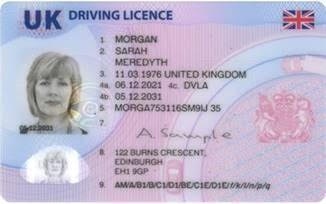
- Full Driving License: After passing the driving tests, a provisional license holder can obtain a full license that permits them to drive independently.
- Special Licenses: These include motorcycle licenses and various categories for commercial driving, such as LGV (Large Goods Vehicle) and PSV (Passenger Service Vehicle) licenses.
Eligibility Criteria for a Driver’s License
Minimum Age
- The minimum age to apply for a provisional driving license is 17 years for cars. However, you can apply at 16 if you are looking to drive a moped.
Residency
- You must be a resident of Great Britain. Different rules apply to Northern Ireland.
Medical Fitness
- Drivers must meet specific medical requirements. If you have a medical condition that may affect your driving ability, seek advice from your healthcare provider and consult the DVLA (Driver and Vehicle Licensing Agency) guidelines.
How to Apply for a Driver’s License
Step 1: Apply for a Provisional License
Online Application
- Visit the DVLA Website: The quickest way to apply for a provisional license is through the official DVLA website.
- Create an Account: If you don’t already have a Government Gateway account, you’ll need to create one.
- Complete the Form: Fill out the application form with accurate details, such as your name, address, and date of birth.
- Required Documents: Have your current passport (for ID verification), National Insurance number, and a passport-sized photo ready.
- Pay the Fee: The fee for a provisional license is currently £34 if applying online and £43 if by post.
Paper Application
- Download the Form: You can also apply using a paper form from the DVLA.
- Complete and Mail: Fill out the requisite information and mail it along with the required fee and documentation.
Step 2: Learning to Drive
Once you have your provisional license, you can begin learning to drive.
Hire a Qualified Driving Instructor
- Engaging with a qualified driving instructor is crucial. They provide structured lessons tailored to help you grasp essential driving skills and prepare for the driving test.
Practicing with a Supervised Driver
- With a provisional license, you can practice driving with a qualified supervisor who is at least 21 years old and has held a full license for at least three years.
Displaying L-Plates
- While learning, you must display L-plates (learner plates) on the front and rear of the vehicle.
Step 3: The Theory Test
Before you can take the practical driving test, you must pass the theory test.
Booking the Test
- You can book your theory test online through the DVLA website. Ensure you choose a convenient test centre.
Test Components
- Multiple-Choice Questions: This part tests your knowledge of road signs, rules, and regulations.
- Hazard Perception Test: You must identify potential hazards through video clips, which assesses your observational skills.
Step 4: The Practical Driving Test
Once you’ve passed the theory test, it’s time to take the practical driving test.
Booking the Test
You can book your practical test via the DVLA website, selecting a time and venue that works for you.
Test Preparation
- Practice key driving maneuvers, including reversing, parking, and emergency stops. Your instructor can guide you through the specific skills you’ll need to show during the test.
On Test Day
- Bring Required Documentation: Ensure you bring your provisional license and any other required documents.
- Vehicle Preparation: You can use your instructor’s car or your own, but it must be roadworthy and insured.
What Happens After Passing the Practical Test?
Upon passing your driving test, you will receive a pass certificate. You can then upgrade your provisional license to a full driving license.
Applying for a Full Driving License
- Application Process: This can often be completed online, by sending your provisional license and the pass certificate to the DVLA.
- Payment: There is a small fee for the full license application, typically around £34.
Receiving Your Full Driving License
After processing, which may take about three weeks, your full driving license will be sent to you by mail.
Tips for Success
Study for Your Theory Test
- Use online resources, apps, and practice tests to increase your knowledge and familiarity with the material.
Take Regular Lessons
- Consistent practice is essential for developing driving skills. Aim to take regular lessons to reinforce what you learn.
Know the Road Signs
- Familiarize yourself with all road signs and their meanings. Road signs are critical for safe driving and are heavily tested in the theory exam.
Stay Calm During Your Tests
- Anxiety can hinder performance. Arrive at your test venue early and practice relaxation techniques to help stay calm.
Frequently Asked Questions (FAQs)
How long does it take to receive a provisional license?
Most applicants receive their provisional license within three weeks from application.
What is the cost of a driving license?
The cost for a provisional license is £34 online and £43 via post. The full driving license also costs around £34.
Can I drive with a provisional license?
Yes, but only when accompanied by a qualified driver, and you must display L-plates.
What should I do if I lose my license?
Report the loss to the DVLA and apply for a replacement online.
Conclusion
Acquiring a driver’s license in the UK is an empowering journey that requires careful planning and preparation. By understanding the application process, completing the necessary tests, and acquiring practical driving skills, you set yourself up for success on the road. Remember, driving is not just about passing tests; it’s about gaining the knowledge and experience needed to become a safe and responsible driver. With commitment and diligence, you can enjoy the freedom that comes with holding a full driving license.
driver’s license
driver’s license driver’s license driver’s license