driving licence driving
A driving licence is one of the most important documents for anyone who wishes to drive a car in the UK. Whether you are a new driver preparing to get your first driving licence or an experienced motorist renewing or updating your details, understanding how the UK driving licence system works is essential. In this guide, we will explore the entire process, the different types of driving licences in the UK, how to apply, and important information about the responsibilities and regulations that come with holding a valid driving licence in the UK.
What Is a UK Driving Licence?
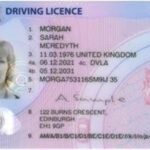
A UK driving licence is a legal document issued by the Driver and Vehicle Licensing Agency (DVLA) that authorises an individual to operate a motor vehicle on public roads within the United Kingdom. The licence certifies that the holder has met the requirements of the UK driving laws and passed the necessary tests to demonstrate their ability to drive safely. There are various types of driving licences in the UK, and the document also serves as proof of identity and address.
Types of Driving Licences in the UK
In the UK, there are different categories of driving licences, depending on the type of vehicle you intend to drive. The most common type is the full car driving licence, but there are also provisional licences, motorcycle licences, and licences for larger vehicles. Below, we discuss the various categories in detail.
- Provisional Driving Licence
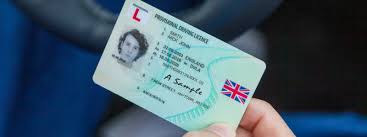
A provisional driving licence is issued to drivers who are in the process of learning to drive and is a prerequisite before they can take the driving test. It allows the holder to drive a car or motorcycle on UK roads but only under certain conditions. To get a provisional driving licence, an applicant must be at least 17 years old (16 for those with a disability), have a good understanding of road signs, and meet other health and identity criteria.
- Full Driving Licence
A full driving licence is granted to drivers who have passed their driving test and meet the necessary requirements. Once you pass your driving test, you are issued a full licence that allows you to drive freely on the roads, subject to the usual driving laws. A full driving licence is typically valid for 10 years, and after that, you need to renew it.
- Motorcycle Licence
In the UK, motorcyclists must have a specific motorcycle licence. The category is divided into three types:
- Category A1: For light motorcycles up to 125cc.
- Category A2: For motorcycles with a maximum power of 47 horsepower.
- Category A: For large motorcycles with no restrictions on power.
To obtain a motorcycle licence, you must first pass a compulsory basic training (CBT) course, followed by a motorcycle theory test and a practical test.
- Commercial and Heavy Goods Vehicle Licences
These licences are necessary for individuals who wish to drive larger vehicles, including buses, lorries, and coaches. Commercial licences are divided into various categories, such as Category C for large vehicles (over 3.5 tonnes) and Category D for buses and coaches. To drive these vehicles, you need to meet additional medical standards and may need to undergo more advanced training and testing.
- Driving Licence for People with Disabilities
If you have a disability, you can still obtain a driving licence, but you must ensure that your vehicle is suitable for your condition. The DVLA provides special provisions for those with disabilities, and you may need to provide medical evidence to prove that you can safely operate a vehicle.
How to Apply for a UK Driving Licence
Applying for a UK driving licence involves several steps. Here’s a breakdown of the process, whether you’re applying for a provisional or full licence.
- Eligibility
To apply for a driving licence in the UK, you must meet specific eligibility criteria:
- You must be at least 17 years old (16 for people with certain disabilities).
- You must be a resident of the UK, the European Union, the European Economic Area (EEA), or Switzerland.
- You must not be disqualified from driving.
- You must meet specific eyesight and medical requirements.
- Provisional Licence Application
If you don’t already have a provisional driving licence, you can apply for one through the DVLA. You can apply online or by post, and you will need to provide proof of your identity, such as a passport or birth certificate. You’ll also need to pay the application fee.
Once you have a provisional licence, you can begin learning to drive with an approved instructor, or you may drive with someone who meets the requirements of a supervising driver.
- Pass the Theory Test
The theory test is a requirement for obtaining a full UK driving licence. It consists of two parts:
- Multiple-choice questions: This part assesses your understanding of road safety, traffic laws, and driving rules.
- Hazard perception test: This part tests your ability to recognize potential hazards on the road by showing you a series of video clips.
You must pass both parts of the theory test before you can proceed to the practical test.
- Book and Pass the Practical Test
Once you have passed the theory test, you can book your practical driving test. The practical test assesses your ability to operate a vehicle in a range of real-world driving situations. During the test, you will need to demonstrate control of the car, your knowledge of the highway code, and your ability to safely handle various traffic conditions.
After successfully passing the practical test, you will be issued a full UK driving licence. If you fail, you can retake the test after a waiting period.
The Importance of the UK Driving Licence
A driving licence is not only essential for getting behind the wheel of a vehicle, but it is also a crucial identity document. Here are some of the reasons why holding a UK driving licence is important:
- Legality
A driving licence is required to drive legally in the UK. Driving without a valid licence can lead to fines, points on your licence, and, in some cases, imprisonment. If you’re caught driving with a provisional licence and no supervisor, you may be subject to penalties.
- Identification
A UK driving licence serves as a recognised proof of identity, which can be used for a variety of purposes. Whether you are opening a bank account, applying for a job, or purchasing alcohol or tobacco, your driving licence may be required as proof of age and identity.
- Access to Transport
Having a driving licence opens up many opportunities for personal freedom and mobility. It allows you to travel more easily, whether for work, study, or leisure, and it reduces dependence on public transport or others to drive you around.
- Insurance
When you have a valid driving licence, it becomes easier to obtain car insurance. Insurance companies often offer lower premiums to individuals who hold a full UK driving licence, as it is seen as a sign of experience and responsibility.
Responsibilities of a UK Licence Holder
Holding a driving licence comes with responsibilities, including obeying traffic laws and maintaining the safety of yourself and others on the road. Some key responsibilities include:
- Renewal
UK driving licences must be renewed regularly. A full driving licence is usually valid for 10 years, after which it must be renewed. You can do this online, by post, or at a Post Office branch. You may also need to update your licence if there are any changes to your name, address, or medical condition.
- Medical Conditions
If you have a medical condition that affects your ability to drive safely, you must inform the DVLA. Conditions such as epilepsy, diabetes, and eyesight problems may require you to provide medical evidence or undergo a driving assessment.
- Driving Offences
If you break the law while driving, you may face penalties, including fines, points on your licence, or even disqualification from driving. Driving under the influence of alcohol or drugs, speeding, and using a mobile phone while driving are some common offences that can lead to legal consequences.
- Points on Your Licence
You will accrue penalty points on your licence if you commit a driving offence. Accumulating too many points may lead to a driving ban, especially if you are a new driver. It’s important to drive safely and responsibly to avoid accumulating points on your licence.
- Surrendering Your Licence
If you are no longer fit to drive due to age, health, or other factors, you may choose to surrender your licence. The DVLA can revoke or suspend your licence if you are deemed unfit to drive.
Conclusion
In the UK, the driving licence is much more than just a permit to drive. It is an essential document that allows individuals to exercise their right to drive legally, while also serving as a key form of identification. Whether you’re learning to drive for the first time or managing an existing licence, it’s important to understand the requirements, responsibilities, and the application process. As the rules and regulations surrounding driving in the UK continue to evolve, staying informed is the best way to ensure you remain a responsible and law-abiding driver on UK roads.
driving licence driving
driving licence driving driving licence driving driving licence driving driving licence driving driving licence driving driving licence driving driving licence driving driving licence driving v driving licence driving driving licence driving driving licence drivingdriving licence driving