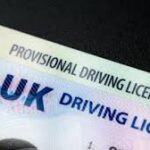
driving licence driving
In the United Kingdom, a driving licence is more than just permission to drive; it’s a legal identity document, a symbol of independence, and a key to mobility. Whether you’re a learner excited to take your first lesson, a foreign resident hoping to exchange your licence, or someone renewing after years of driving experience, understanding the UK driving licence process is crucial. The UK’s licensing system—managed by the Driver and Vehicle Licensing Agency (DVLA)—is designed to ensure that only qualified, informed, and responsible drivers are on the road.
This guide provides an extensive look into what a UK driving licence is, how to apply for one, the requirements for both provisional and full licences, and the steps to take if you’re exchanging or renewing a licence. It also addresses current costs, timelines, eligibility rules, and testing procedures, ensuring you have a complete and SEO-rich source of information for 2026 and beyond.
Understanding the UK Driving Licence
A UK driving licence is an official document issued by the DVLA (for England, Scotland, and Wales) or by the Driver & Vehicle Agency (DVA) in Northern Ireland. It certifies that the holder is legally qualified to drive specific classes of vehicles on public roads. The modern driving licence is a photocard format, which replaced the traditional paper licence years ago. It serves a dual purpose: confirming your driving entitlement and functioning as a primary form of identification across different services in the UK.
Each photocard includes your name, address, photograph, signature, and details of the categories of vehicles you are entitled to drive. The licence also displays issue and expiry dates, along with a unique driver number. The back of the card contains pictograms showing vehicle classes alongside information codes that specify any restrictions or conditions on your licence (for example, if you must wear corrective lenses while driving).
According to the DVLA guidelines, there are different licence types based on a driver’s qualification and experience—ranging from provisional learner licences to full, commercial, and motorcycle licences. Understanding these categories ensures you apply for the correct type.
Types of UK Driving Licences
The foundation of all UK driving journeys begins with the provisional licence. This is the first document a learner must obtain before starting professional lessons or private practice. With a provisional licence, you are allowed to drive under supervision—by a qualified instructor or another driver who has held a full licence for at least three years and is over 21 years old. You must display red “L” plates (or “D” plates in Wales) on your car during practice.
Once you pass both the theory and the practical driving tests, you are eligible to receive a full UK driving licence. This licence allows you to drive independently on public roads without supervision. You’ll need to maintain safe driving habits, as collecting too many penalty points could lead to suspension, particularly within the first two years of driving.
The most common licence for everyday drivers is the Category B licence, which entitles you to drive standard cars and small vans. For individuals who pass their test in an automatic vehicle, an automatic-only licence is issued, limiting them to driving vehicles without manual transmission.
For those driving professionally or with heavier vehicles, the categories expand further. There are Category C licences for large goods vehicles (LGVs and HGVs), Category D for buses and coaches, and Category A for motorcycles of varying engine capacities. These additional categories require special training and examinations due to the increased size, weight, or passenger responsibilities of the vehicles involved drivingacademyltd.co.uk.
Eligibility Requirements in the UK
To apply for a UK driving licence, you must meet certain eligibility criteria. You must be at least 15 years and 9 months old to apply for a provisional licence, though you cannot start driving a car until 17. If you receive certain disability benefits, you may begin driving at 16. Applicants must be residents of Great Britain and possess the ability to read a car number plate from a distance of 20 metres, with or without glasses or contact lenses.
During the application process, the DVLA verifies your identity and residency history. You must have lived in the UK for at least 185 days within the past 12 months. This ensures that only genuine UK residents hold domestic licences.
How to Apply for a Provisional Driving Licence
The first step to becoming a driver in the UK is applying for a provisional licence. The easiest and most efficient way is through the official GOV.UK website, where the fee is currently £34. The online application usually takes about a week to process. You’ll need your UK passport, National Insurance number, and address history for the last three years. A digital photograph—often the one from your passport—will automatically be used.
Alternatively, you can apply by post using the D1 form, available at most Post Offices. Postal applications cost £43 and may take up to three weeks, as original identity documents must be mailed to the DVLA for verification. Once approved, your provisional licence will arrive by post, allowing you to book driving lessons and start practicing with an instructor ukbloom.co.uk.
The UK Driving Theory Test
Before you can book your practical driving test, you must pass the theory test. The theory test assesses your understanding of road safety, traffic signs, and hazard awareness. It consists of two sections: multiple-choice questions and a hazard perception test, which uses video clips of real driving scenarios. The fee for the theory test is £23 as of 2026, and it must be taken at an approved test centre.
Many learners prepare using the official DVSA Theory Test Kit, which includes practice questions and hazard clips identical to those used in the actual test. Passing this stage is vital, as your theory test pass certificate is valid for only two years—during which time you must pass the practical test.
The Practical Driving Test
Once you’ve successfully passed the theory test and gained adequate driving experience, you can book your practical driving test. This test, conducted by DVSA examiners, evaluates your ability to drive safely and confidently in real traffic conditions.
The test typically lasts around 40 minutes and begins with an eyesight check followed by vehicle safety questions (“show me, tell me” questions). The examiner will then take you on different road types and traffic conditions to observe your general driving skills, including manoeuvres such as parallel parking, reversing around corners, and hill starts.
During part of the test, you’ll be asked to follow satellite navigation or road signs for a brief independent driving section. Passing this test costs £62 on weekdays or £75 for weekends and evenings. On completion, you’ll be issued your full driving licence, which will be mailed to your registered address within a few weeks.
Exchanging a Foreign Driving Licence
If you’re a foreign national moving to the UK, you may be eligible to exchange your foreign driving licence without retaking a test—depending on the country your licence was issued in. Drivers from designated countries such as Australia, Canada, Japan, New Zealand, South Korea, and Singapore can generally exchange their licence directly through the DVLA.
The process involves completing a D1 form and sending it along with your original foreign licence, a passport-sized photo, and payment. You must apply within 12 months of becoming a UK resident to retain driving privileges without re-testing. EU and EEA drivers, on the other hand, can continue using their existing licence until it expires but may opt for a UK-issued photocard for consistency and ease ukdrivinglicenseguide.com.
Renewing or Replacing a Driving Licence
A full UK driving licence is valid for 10 years, after which it must be renewed to update the photo and details. The renewal fee is £14 if done online or £17 by post. Renewal reminders are typically sent by the DVLA before expiry, and driving with an expired licence is a legal offence.
If your licence is lost, stolen, or damaged, you can apply for a replacement online through GOV.UK. Your identity will be reverified, but the replacement typically arrives within a week.
For drivers over the age of 70, renewal becomes more frequent—every three years—and you must confirm that you remain medically fit to drive.
Why a Driving Licence Matters in the UK
Holding a UK driving licence offers more than the obvious freedom to drive. It provides proof of identity, simplifies car rental, employment, and insurance processes, and acts as a secure form of age verification. For many, the driving licence represents maturity, responsibility, and independence.
The UK’s licensing system is also one of the most respected globally, thanks to its strict training and testing standards. It’s not just about being able to drive—it’s about ensuring every driver understands road safety, environmental awareness, and the importance of responsible driving.
Final Thoughts
Getting a UK driving licence is a milestone achievement that opens the door to personal and professional opportunities. The process requires patience, preparation, and adherence to DVLA rules, but once you’ve passed the tests, the benefits are long-lasting. By understanding the steps—from obtaining your provisional licence to mastering your theory and practical exams—you’re setting yourself up for safe and independent driving across the United Kingdom.
For 2026, the DVLA continues to streamline application processes, making it easier than ever to apply online, renew, or exchange your licence conveniently and securely. Whether you’re just beginning or seeking to upgrade your driving entitlements, staying informed about current guidelines is the best way to ensure a smooth journey on the UK’s roads

5 Sources
driving licence driving
driving licence driving driving licence driving driving licence driving driving licence driving driving licence driving driving licence driving driving licence driving driving licence driving driving licence driving driving licence driving driving licence driving driving licence driving driving licence driving driving licence driving driving licence driving