driving licence view
Understanding and Viewing Your Driving Licence in the UK: A Comprehensive Guide
In the UK, your driving licence is a vital legal document that certifies your ability to operate a motor vehicle on public roads. It not only grants you the legal right to drive but also serves as an important form of identification. Whether you’re a new driver, someone looking to check their licence status, or an individual who needs to renew or replace their licence, it is crucial to understand how to view your driving licence information, how to access it online, and what details are included.
This comprehensive guide aims to help you fully grasp how to view your driving licence in the UK, covering the various types of driving licences, how to check your licence online, and the relevant details it contains. Whether you’re concerned about penalty points, want to ensure your details are up to date, or simply need a quick reminder of what your driving licence entails, this guide will provide all the necessary information to help you navigate the UK’s driving licence system with ease.
What is a UK Driving Licence?
A UK driving licence is an official legal document issued by the Driver and Vehicle Licensing Agency (DVLA) that permits a person to operate motor vehicles on public roads. This licence is a reflection of your competency and knowledge of road safety, which you demonstrate by passing the required driving tests. Your driving licence can also act as a valid proof of identity when conducting official transactions, such as opening a bank account, or verifying your age when purchasing age-restricted items.
The UK driving licence is typically valid for 10 years, after which it must be renewed. While holding a valid driving licence, you are legally allowed to drive vehicles within the categories listed on the licence, which can include cars, motorcycles, vans, and other vehicles, depending on the types of tests you have passed.
Types of Driving Licences in the UK
There are several different categories of driving licences in the UK. Understanding the different types of licences available and the vehicles you are permitted to drive is essential for both new and experienced drivers.
- Provisional Driving Licence:
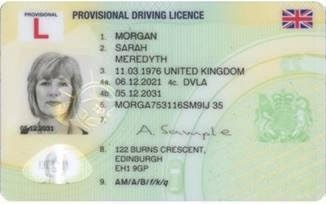
The provisional driving licence is the first step toward obtaining a full driving licence. It allows new drivers to practice driving under supervision. You must be at least 17 years old (16 if you are eligible for a disability allowance) to apply for a provisional licence. Once you have this provisional licence, you can begin taking driving lessons from an approved instructor or practice driving with a qualified supervisor. - Full Driving Licence:
After passing the practical driving test, you are awarded a full driving licence. A full licence allows you to drive independently. It may have additional categories if you passed specific tests for different types of vehicles, such as motorcycles or large goods vehicles. - Motorcycle Licence:
If you wish to drive a motorcycle, you must obtain a specific motorcycle licence. These licenses are further divided into categories based on engine size and power output, including Category A1 (light motorcycles), Category A2 (restricted power), and Category A (unrestricted motorcycles). - Commercial Vehicle Licences:
If you want to drive larger vehicles such as buses, lorries, or coaches, you must have a commercial vehicle licence. These licences have specific categories such as Category C for lorries and Category D for buses. - Driving Licence for People with Disabilities:
Individuals with disabilities can apply for a special driving licence if they need a modified vehicle. This category allows for various types of vehicle adaptations to meet the driver’s specific needs.
Viewing Your Driving Licence in the UK
The process of viewing your driving licence information in the UK has become increasingly streamlined, thanks to the digital services provided by the DVLA. Whether you’re checking your own licence details or verifying a licence for someone else (with their consent), there are simple ways to access all the necessary information.
Checking Your Driving Licence Details Online
One of the most convenient ways to view your driving licence details in the UK is through the official government website, gov.uk. The Driver and Vehicle Licensing Agency (DVLA) provides an online service that allows you to check your driving licence details quickly and securely.
How to Check Your Driving Licence Online:
- Visit the Official DVLA Website:
Go to the official website for the Driver and Vehicle Licensing Agency (DVLA). This website is the official hub for all driving-related services in the UK, including viewing your driving licence details. - Log In to Your Government Gateway Account:
You will need to have an account with the Government Gateway in order to access your driving licence details. If you haven’t created one yet, you can do so by registering on the site. This account will allow you to access a range of government services securely. - Enter Your Personal Information:
To verify your identity and access your licence information, you will need to enter specific personal details. This typically includes your driving licence number, your National Insurance number, and your postcode. If you do not have your licence number at hand, you may still be able to access some details through your personal data. - Review Your Driving Licence Information:
Once you’ve logged in and entered your details, you can view a full report of your driving licence. This includes:- Licence Status: Whether your licence is valid, expired, or suspended.
- Categories of Vehicles You Are Eligible to Drive: Information about the types of vehicles you are legally allowed to drive based on your passed tests.
- Penalty Points: A breakdown of any penalty points you may have accumulated for driving offences.
- Expiry Date: The date when your driving licence is set to expire, as well as the process for renewing it.
- Medical Conditions or Restrictions: If you have any medical conditions that affect your ability to drive, such as vision issues or epilepsy, these will be listed as part of your driving restrictions.
- Renew Your Licence Online:
If your licence is nearing its expiry date, you can renew it online via the DVLA website. This is a quick process and can be completed with a debit or credit card. In most cases, your renewed licence will arrive in the mail within a few days to two weeks, depending on the processing time. - Request a Replacement Licence:
If your driving licence is lost, stolen, or damaged, you can request a replacement through the DVLA’s online service. This service also allows you to update your details, such as changing your address.
Viewing Your Licence Details By Post or Phone
While the online method is the quickest and easiest way to view your driving licence information, there are alternative methods if you are unable to access the internet or prefer to handle things manually.
- Phone:
If you need to check your driving licence details but cannot use the online service, you can call the DVLA’s helpline. The helpline number can be found on the official gov.uk website, and customer service representatives will assist you with any queries related to your licence status, points, or other relevant information. - Post:
For those who prefer traditional mail, you can send a request to the DVLA for information regarding your driving licence. However, this process may take several days, so it is less convenient than checking online. The DVLA will respond with the requested information, including details about your licence status, penalty points, and expiry date.
Understanding the Information on Your UK Driving Licence
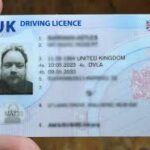
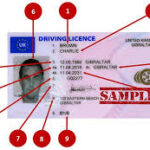
Your UK driving licence contains various pieces of important information, including personal details, licence categories, endorsements, and more. Understanding this information can help you stay informed about your driving privileges and responsibilities.
- Personal Information:
This includes your name, address, date of birth, and a photograph of yourself. The information is crucial for identification purposes and ensures the accuracy of your driving record. - Licence Number:
This is your unique driving licence number, which is used to identify your driving record within the DVLA system. - Vehicle Categories:
Your driving licence will show which types of vehicles you are eligible to drive. For example, if you have passed the car driving test, you will be permitted to drive a Category B vehicle. If you have passed tests for motorcycles or commercial vehicles, the categories for those vehicles will also be listed. - Penalty Points and Endorsements:
Your driving licence will record any penalty points or endorsements you have received as a result of traffic offences. These points are accumulated based on offences such as speeding, driving under the influence of alcohol or drugs, or using a mobile phone while driving. Accumulating 12 or more points within a three-year period can lead to disqualification from driving. - Expiry Date:
Your driving licence will have an expiry date, typically 10 years from the date of issue. It is important to keep track of this date and renew your licence before it expires to avoid driving illegally. - Medical Restrictions:
If you have a medical condition that affects your ability to drive safely, the DVLA will record any restrictions on your licence. These may include limitations on when or where you can drive or whether you must wear glasses or corrective lenses.
Conclusion
Viewing your driving licence details in the UK is an important process that ensures your driving privileges are up to date, correct, and legally compliant. Whether you’re verifying your status, checking for penalty points, or ensuring that your licence is renewed on time, using the DVLA’s online service provides a quick and reliable way to access this crucial information. Keeping your driving licence information accurate and updated not only helps you stay legal on the road but also ensures your rights as a driver are protected.
driving licence view
driving licence view driving licence view driving licence view driving licence viewdriving licence viewdriving licence view driving licence view driving licence view driving licence view driving licence view driving licence view driving licence driving licence view driving licence viewview driving licence view driving licence view