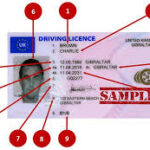
dvla car license check
DVLA Car License Check: Everything You Need to Know
If you are a vehicle owner, driver, or someone involved in buying or selling cars in the UK, understanding how to perform a DVLA car license check is essential. This process ensures that vehicles are properly registered, drivers are licensed, and road safety regulations are maintained. In this article, we will dive deep into the concept, process, benefits, and practical applications of a DVLA license check.
What is a DVLA Car License Check?
The DVLA, or Driver and Vehicle Licensing Agency, is the UK government body responsible for maintaining the registration and licensing of vehicles and drivers. A car license check refers to the process of verifying whether a driver holds a valid license and whether a vehicle is legally registered and taxed.
This check can provide a wealth of information, including:
- Vehicle registration details
- MOT history
- Tax status
- Vehicle keeper information
- Driver license validity
A DVLA car license check ensures transparency when buying a used car, hiring vehicles, or verifying someone’s driving credentials.
Why is a DVLA Car License Check Important?
Performing a DVLA license check is crucial for multiple reasons:
1. Ensure Legal Compliance
Driving or owning an unregistered vehicle in the UK is illegal. A DVLA car license check confirms that the vehicle is correctly registered and the driver is legally allowed to operate it.
2. Avoid Fraudulent Transactions
When purchasing a second-hand car, scammers sometimes provide false information about the vehicle’s history or license status. A DVLA car license check helps you verify that all details are authentic.
3. Confirm Vehicle History
A DVLA check can reveal if a car has been involved in accidents, has outstanding finance, or has been reported stolen. This protects buyers from unknowingly purchasing problematic vehicles.
4. Road Safety
Ensuring that drivers hold valid licenses and vehicles are roadworthy contributes to overall road safety. Checking MOT and tax status through DVLA prevents illegal and unsafe vehicles from being used on UK roads.
How to Check a Car License with DVLA
There are several ways to perform a DVLA car license check:
1. Online Vehicle Check
The DVLA offers an online service that allows you to check a vehicle’s registration details using its registration number.
Steps:
- Visit the official DVLA vehicle information website.
- Enter the car’s registration number.
- View detailed information including MOT status, tax status, and vehicle make and model.
2. Driver License Check
Employers or rental companies may need to verify a driver’s license. This can be done online with the driver’s license number and date of birth.
Steps:
- Visit the DVLA driver license checking portal.
- Enter the driver’s details.
- Receive confirmation of license validity and driving entitlements.
3. Third-Party Services
Several authorized services aggregate DVLA data to provide comprehensive vehicle history reports. These services often include:
- Accident history
- Mileage verification
- Finance status
- Theft check
These reports are especially useful for buyers and dealers.
Information You Can Get from a DVLA Car License Check
A DVLA car license check provides a wide range of information. Here’s what you can expect:
1. Vehicle Information
- Make, model, and colour
- Year of manufacture
- Engine size and fuel type
- Vehicle Identification Number (VIN)
2. Registration and Tax Status
- Current registered keeper
- Vehicle tax status and expiry date
- Whether the car is off the road (SORN)
3. MOT History
- MOT expiry date
- Past MOT results
- Advisories and failures
4. Driver License Status
- Full or provisional license
- Validity and expiration
- Driving restrictions or endorsements
5. Outstanding Finance or Theft Records
Some third-party DVLA checks can reveal:
- Whether the car has finance tied to it
- If the vehicle is reported stolen
- Accident history or insurance write-offs
Benefits of Performing a DVLA Car License Check
Checking a car or driver’s license through DVLA brings several advantages:
1. Safety and Security
By confirming vehicle and driver details, you can prevent accidents caused by unlicensed drivers or faulty vehicles.
2. Fraud Prevention
A DVLA check helps avoid purchasing stolen or financed vehicles, protecting buyers from financial loss.
3. Peace of Mind for Employers
Companies that hire drivers for deliveries or transport services can verify licenses, ensuring legal compliance and safe operations.
4. Time and Cost Efficiency
Online DVLA checks save time compared to visiting local DVLA offices. You can access accurate information quickly, reducing the risk of costly mistakes.
Common Scenarios Where DVLA Car License Check is Useful
1. Buying a Used Car
One of the most common uses of a DVLA car license check is when buying a second-hand car. Ensuring the vehicle is legally registered, taxed, and roadworthy prevents future legal complications.
2. Employing Drivers
Employers in logistics, transportation, or delivery services often check licenses to ensure employees are legally allowed to drive specific vehicle types.
3. Insurance Verification
Insurance providers may use DVLA checks to confirm that a vehicle is registered and a driver is licensed, preventing fraudulent claims.
4. Vehicle Rental Services
Car rental companies perform DVLA license checks to verify customers’ licenses before allowing them to rent vehicles.
How Often Should You Perform a DVLA License Check?
The frequency of DVLA checks depends on the scenario:
- For Used Car Buyers: Always check before purchase.
- For Employers: Conduct checks annually or when hiring new drivers.
- For Personal Drivers: Perform checks periodically to ensure your vehicle tax, MOT, and license remain valid.
DVLA Car License Check Costs
The majority of basic vehicle and driver license checks through the DVLA are free. Third-party services may charge a fee for comprehensive reports, which often include additional details such as accident history, mileage verification, and finance checks.
Common Misconceptions
1. All Information is Free
While basic checks are free, detailed history reports from third-party services often come at a cost.
2. DVLA Checks Guarantee Vehicle Condition
A DVLA license check confirms legality but does not guarantee mechanical condition. Always inspect the vehicle physically or through a trusted mechanic.
3. It Replaces Insurance Checks
DVLA checks verify legal status, but insurance eligibility and coverage require separate verification.
How to Ensure Accurate DVLA Checks
To get accurate results:
- Use the Official DVLA Website: Avoid unofficial sites that may have outdated or incomplete data.
- Verify Driver Details: Double-check license numbers and dates of birth.
- Check Vehicle Registration Carefully: Ensure the registration number matches the vehicle documents.
- Consider Multiple Checks: For used car purchases, combine DVLA check with MOT and service history.
Conclusion
A DVLA car license check is an essential tool for drivers, vehicle owners, employers, and car buyers in the UK. It provides vital information about vehicle registration, tax, MOT, and driver licenses, promoting legal compliance, road safety, and fraud prevention. Whether you’re buying a used car, hiring drivers, or renting vehicles, performing a DVLA license check is a simple step that can save you from potential legal issues, financial loss, and safety risks.
By regularly utilizing this service and understanding the data provided, you can ensure that all vehicles and drivers you interact with are fully legal and compliant with UK road regulations
dvla car license check
dvla car license check dvla car license check dvla car license check dvla car license check dvla car license check dvla car license check