dvla driving licence check
If you’re in the UK, your driving licence is more than just a plastic card—it’s your legal permission to drive. That’s why keeping your licence details accurate, current, and valid matters. Whether you’re trying to check if your licence is still valid, confirm your status after a medical review, or make sure your details are correct before applying for a job that requires driving eligibility, a DVLA driving licence check can help you stay informed and avoid costly mistakes.
In this guide, we’ll cover everything you need to know about checking your driving licence in the UK, including the official DVLA processes, what you can and cannot verify, how to spot scams, how licence status affects insurance and employment, and best-practice tips to keep your licence details up to date.
What Is the DVLA and Why Does a Driving Licence Check Matter?
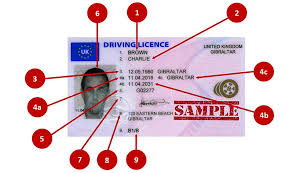
In the UK, the Driver and Vehicle Licensing Agency (DVLA) is the government body responsible for maintaining driver records, issuing driving licences, and managing licensing enforcement. Your licence record includes key information such as:
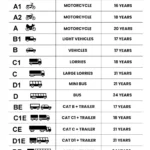
- Your driving entitlement categories (e.g., car, motorcycle, bus)
- Licence status (valid, revoked, suspended)
- Medical fitness conditions (where applicable)
- Points and penalty information (where relevant)
- Driving licence renewals and updates
A DVLA driving licence check matters because you need to ensure your licence is legally valid before driving. Driving without a valid licence can lead to serious consequences, including prosecution, fines, and invalid insurance claims. It can also affect employment—some roles require specific eligibility and confidence that your driving entitlement is correct.
DVLA Driving Licence Check: What You Can Check (and What You Usually Can’t)
Many people search online for “DVLA driving licence check,” but it’s important to understand what official checks can do.
Common things people want to verify
In general, drivers often want to confirm:
- Whether their driving licence is still valid
- Whether their address or personal details are up to date
- Whether they have been issued a new licence after a renewal
- Whether their licence has been affected by enforcement action
- Whether they need to take action due to medical fitness requirements
- Whether they have the right categories to drive particular vehicles
Important note: not all “DVLA checks” are the same
Some websites market “DVLA checks” that claim to confirm licence validity or details. However, many of these are not official. Some services only provide limited information, while others may be designed to collect personal data.
In most legitimate situations, the official DVLA system and direct DVLA channels are the safest options. If you’re checking your own licence status, use DVLA’s official guidance and services wherever possible.
How to Check Your Driving Licence Status in the UK
Step 1: Confirm you’re using official DVLA routes
To keep things secure, start from official UK Government/DVLA sources or official service pages. If a website asks for payment to verify your licence when you could verify yourself more safely through official channels, treat that cautiously.
Step 2: Use DVLA renewals and updates where needed
If your licence is due for renewal, or you’ve changed circumstances (for example, a change of address or health status), you should update the DVLA as required. Keeping your record accurate helps avoid confusion, especially when you later apply for insurance, employment, or a new licence category.
Step 3: Check entitlement categories
Before driving a vehicle type—particularly if you’re upgrading to another category—ensure you have the correct entitlement. Mistakes here can be dangerous and illegal.
Step 4: Understand medical and fitness requirements
Some drivers must meet medical standards to keep their licence. If you’ve received a DVLA letter requesting information (or you must declare a condition), respond on time. Missing deadlines can lead to licence restrictions or revocation.
DVLA Licence Check for Address Changes and Personal Details
Your licence record should reflect your current details. If you have moved, updating your address matters because:
- DVLA may contact you about renewals or medical reviews
- Insurance companies may request correct details for policy compliance
- Employment background checks may rely on accuracy of driving eligibility
If you’ve recently changed address in the UK, make sure you’ve informed DVLA through the appropriate process. Even if everything else is fine, outdated information can create avoidable issues.
DVLA Driving Licence Check for Points, Revocation, and Enforcement
Drivers sometimes search for “DVLA driving licence check points” or “DVLA licence revoked check.” While penalty information and enforcement actions can be complex, the key takeaway is that your licence status is legally important.
Why enforcement matters
If your licence has been affected by enforcement or revocation, your ability to drive legally may change. Driving when your licence is not valid can result in serious legal consequences.
What to do if you suspect an issue
If you suspect your licence status may not be correct (for example, you have not received a renewal, or you received communication from DVLA), take action promptly. Use official DVLA channels and follow instructions exactly.
Are DVLA Licence Check Websites Legit?
Because the DVLA licence check is a popular search term, you’ll see many websites offering “DVLA checks” for a fee. Some may be legitimate—but many are not.
Red flags to watch for
Be cautious if a site:
- Promises instant “DVLA licence validation” without clear official connection
- Requests sensitive personal data unnecessarily
- Uses misleading claims like “official DVLA database access” without verification
- Pushes you to pay before you understand what you’ll receive
Best safe approach
When the check is about your own licence status, it’s generally safest to:
- Use DVLA’s official services
- Use UK Government official guidance pages
- Avoid paying third parties for verification that you can do directly through official systems
DVLA Driving Licence Check for Employers and Insurance in the UK
In the UK, employers in driving-related sectors (logistics, delivery, driving instructors, bus and coach roles, and some security roles) may require assurance that drivers are legally eligible. Similarly, insurance companies may require accurate licence details and entitlement.
What matters to employers and insurers
Typically, they need to confirm:
- Your licence categories match the vehicle type
- Your licence status allows you to drive legally
- Any restrictions or endorsements are considered
However, employers and insurers should still use legitimate compliance processes. Some may request you provide your licence documentation or consent to checks through proper channels.
How to Keep Your Licence Record Accurate (Practical Tips)
To reduce risk and avoid problems later, build good habits:
1) Review your licence details periodically
Check:
- Your driving categories
- Your personal details (name, address)
- Expiry and renewal timelines
2) Respond to DVLA requests immediately
If DVLA requests medical information or renewal evidence, don’t delay. Timeliness matters—late responses can trigger complications.
3) Keep proof of key changes
If you updated your details or completed forms, keep evidence (confirmation references, email receipts, or letters). This can help if disputes arise.
4) Plan renewal early
Renewals can take time. Don’t wait until the last week before expiry. Early action reduces stress and prevents driving interruptions.
Common DVLA Licence Check Questions (UK)
“How do I check if my licence is valid?”
Use official DVLA guidance and services. If your concern is about legal eligibility, focus on your licence status, entitlement categories, and any enforcement updates.
“Can I check DVLA points online?”
Many drivers look for online points checks. Official processes may vary, and you should rely on DVLA and authorised channels for the most accurate information.
“Why did I receive a DVLA letter?”
Medical reviews, renewals, and compliance updates can trigger DVLA correspondence. Read it carefully and follow instructions by the deadline.
“Is it safe to use third-party ‘DVLA checks’?”
If you want official certainty, prefer DVLA/UK Government channels. Third-party services can introduce privacy and scam risks.
“What if my licence was issued but I’m not sure about my categories?”
If you’re uncertain, check the licence document itself and confirm with DVLA if needed—especially before driving a new vehicle type or category.
DVLA Driving Licence Check and UK Data Security
Because driving licence records are sensitive, data security matters. Your driving status affects legal eligibility, employment, and insurance—so you should be careful with who you share information with.
Security best practices
- Avoid sharing licence details with unknown websites
- Use official DVLA/UK Government portals
- Confirm any form request is legitimate before submitting personal data
- If a website looks like a scam, stop using it immediately
If you’ve already entered details on a suspicious site, consider taking protective steps—such as contacting your bank if payment was taken, monitoring accounts, and reviewing identity protection options available in the UK.
Conclusion: The Smart Way to Do a DVLA Driving Licence Check
A DVLA driving licence check is essential for staying confident that you can drive legally in the UK, keeping your record accurate, and avoiding problems with insurance, employment, and enforcement. The most important advice is simple: use official DVLA and UK Government routes whenever possible, and avoid misleading third-party “checks” that may not be reliable or safe.
Whether you’re verifying your licence validity, updating your details, responding to DVLA medical requirements, or preparing for an insurance or work-related driving assessment, being proactive can save you time, money, and stress.
If you’d like, tell me what kind of DVLA check you need (e.g., “my licence is expiring,” “I received a DVLA letter,” “I changed address,” “I’m unsure about categories,” etc.) and I’ll tailor the content toward that exact scenario with UK-focused guidance and a more targeted SEO structure.