dvla licence view
Understanding and Viewing Your DVLA Driving Licence in the UK: A Complete Guide
In the UK, the Driver and Vehicle Licensing Agency (DVLA) is responsible for issuing and maintaining the records of all driving licences. Your driving licence is a crucial document that not only authorizes you to drive on UK roads but also serves as an important form of identification. Whether you’re applying for your first driving licence, need to check the status of your licence, or simply want to update your information, understanding how to view your DVLA driving licence and its associated details is essential. This comprehensive guide will walk you through the process of checking your DVLA licence details, understanding the information on your driving licence, and navigating the various services available for maintaining and updating your licence.
What is a DVLA Driving Licence?
A DVLA driving licence is an official document that proves an individual’s legal ability to operate a motor vehicle on public roads in the UK. The DVLA (Driver and Vehicle Licensing Agency) is responsible for issuing driving licences, registering vehicles, and keeping accurate records of driving activity. The licence is issued once the driver has passed the necessary driving tests and demonstrated that they meet the medical and legal requirements to drive safely.
There are different types of DVLA driving licences based on the type of vehicle you wish to operate. The most common type is the full car licence, but there are also licences for motorcycles, commercial vehicles, and larger passenger vehicles like buses and coaches.
Types of DVLA Driving Licences
The DVLA issues various types of licences depending on the vehicle category and the driver’s qualifications. Below are the primary categories of driving licences issued in the UK:
- Provisional Driving Licence:
A provisional driving licence is the first step toward obtaining a full driving licence. It allows new drivers to begin learning to drive with an instructor or a qualified supervisor. To apply for a provisional licence, you must be at least 17 years old (or 16 for those with disabilities). A provisional licence is a legal requirement for any learner driver and must be held for a minimum of 12 months before the driver can take the practical driving test. - Full Driving Licence:
A full DVLA driving licence is granted once the driver has passed the practical driving test and met all the requirements. A full driving licence allows the driver to drive independently without the need for a supervisor. Depending on the tests you’ve passed, a full driving licence may include different categories for various types of vehicles, including cars, motorcycles, and large goods vehicles. - Motorcycle Licence:
The DVLA also issues licences for individuals who wish to drive motorcycles. These are divided into three categories: Category A1 (light motorcycles), Category A2 (restricted motorcycles), and Category A (unrestricted motorcycles). The requirements for obtaining a motorcycle licence vary depending on the engine size and power output. - Commercial and Heavy Goods Vehicle Licences:
For those who wish to drive larger vehicles such as lorries, buses, or coaches, the DVLA issues commercial vehicle licences. These licences are available in several categories, including Category C (for large goods vehicles) and Category D (for buses and coaches). Each category has specific requirements, such as medical fitness and additional testing, to ensure that drivers can safely operate large vehicles. - Disability Driving Licence:
Individuals with disabilities can apply for a driving licence that is tailored to their specific needs. These licences allow for modifications to the vehicle to accommodate the driver’s condition. The DVLA also keeps records of any medical conditions that may affect a driver’s ability to operate a vehicle safely.
Viewing Your DVLA Driving Licence Details
Viewing your DVLA driving licence details is an essential part of maintaining an up-to-date record and ensuring that all the information on your licence is accurate. There are several reasons why you might need to check your driving licence details. These include verifying your points and endorsements, checking your eligibility to drive specific types of vehicles, and ensuring your contact details are up to date.
The DVLA provides a number of services to help you view and update your driving licence information, and many of these services can be accessed online. Whether you’re checking your own driving record or you need to verify the status of someone else’s licence (with their consent), the DVLA has made the process simple and accessible.
Checking Your DVLA Driving Licence Information Online
The easiest way to check your driving licence details is through the official government website, gov.uk. The DVLA provides a secure and convenient online service that allows you to access information about your driving licence, including your status, penalty points, and vehicle categories. Here’s how you can view your driving licence details online:
- Visit the Official DVLA Website:
To get started, you need to visit the official DVLA website, where the online driving licence checker service is available. The website is designed to give UK residents easy access to all driving-related information, including the status of their driving licence. - Log In to Your Government Gateway Account:
In order to view your driving licence details online, you need to log in to your Government Gateway account. If you don’t have an account yet, you can create one by registering on the site. This account ensures that your personal details are kept secure and allows you to access a variety of government services. - Enter Your Personal Information:
To access your driving licence details, you will need to provide some personal information, including your driving licence number, National Insurance number, and postcode. These details are required to verify your identity and ensure that the information you’re accessing pertains to your own driving licence. - View Your Driving Licence Details:
Once you’ve successfully logged in and entered the required details, you’ll be able to view a summary of your driving licence information. This includes:- Your licence status: whether it’s valid, expired, or suspended.
- The categories of vehicles you are qualified to drive, such as cars, motorcycles, and heavy goods vehicles.
- The penalty points you may have accumulated, including details of any offences and the dates they were incurred.
- Your licence expiry date and instructions for renewal.
- Any restrictions due to medical conditions or driving limitations.
- Renewing or Replacing Your Licence:
If your driving licence is approaching its expiration date, the online service also allows you to renew it quickly and securely. You can do this by following the prompts on the DVLA website, and the process only takes a few minutes. Additionally, if you’ve lost your licence or it has been damaged, you can use the online service to request a replacement. - Updating Personal Information:
If you need to change any personal details, such as your address, you can do so through the online service. Simply follow the instructions to make the changes, and the updated information will be reflected on your driving licence.
Checking Your Licence Details By Phone or Post
While the online service is the quickest and most convenient way to view your driving licence details, there are alternative methods available if you cannot access the internet or prefer to handle matters by phone or post.
- Phone:
You can call the DVLA’s customer service helpline to inquire about your driving licence details. The DVLA offers a helpline for general enquiries, and customer service representatives can assist you with checking your licence status or any issues regarding penalty points, endorsements, or updates to your driving record. - Post:
If you prefer to receive information by mail, you can submit a request to the DVLA via post. This process may take longer than checking your details online, but it’s an option for those who do not have access to digital services. When requesting information by post, you will need to provide your driving licence number and other personal details to verify your identity.
Understanding the Information on Your DVLA Driving Licence
Your DVLA driving licence contains various important pieces of information, and understanding these details is crucial for ensuring that your licence is up to date and accurate.
- Personal Details:
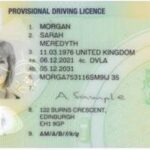
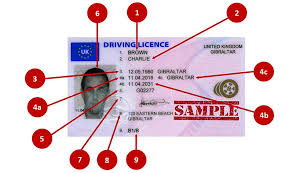
Your driving licence includes personal information such as your name, address, date of birth, and a photograph. These details are important for identity verification and can be used when interacting with government agencies or financial institutions. - Licence Number:
Each driving licence is assigned a unique number, which is used to identify your driving record in the DVLA system. The licence number is an essential part of accessing and verifying your licence details online. - Categories of Vehicles:
Your driving licence will list the types of vehicles you are permitted to drive based on the tests you’ve passed. For example, if you passed the car driving test, you will be permitted to drive a Category B vehicle. If you have passed tests for other vehicles such as motorcycles or large commercial vehicles, those categories will also be listed on your licence. - Penalty Points and Offences:
Any penalty points you’ve accumulated as a result of traffic violations will be recorded on your driving licence. If you have accumulated 12 or more points within a three-year period, you may face a driving ban. Keeping track of your points is essential to avoid losing your licence. - Licence Expiry Date:
Your driving licence is valid for 10 years, after which you must renew it. The expiry date is clearly printed on your licence, and you should make a note of it to avoid driving with an expired licence. - Medical Conditions and Restrictions:
If you have a medical condition that affects your ability to drive safely, such as poor vision or a neurological condition, the DVLA will note any necessary restrictions on your licence. These may include requirements to wear glasses or restrictions on driving at certain times of day.
Conclusion
Your DVLA driving licence is an essential document that not only authorizes you to drive but also serves as proof of identity and legal standing. Knowing how to check your driving licence details, whether online, by phone, or by post, ensures that you are aware of your driving status, penalty points, and other important information. By regularly reviewing your licence details, you can stay informed and avoid potential issues, such as driving with expired or incorrect information. The DVLA’s online services make it easy and convenient to access and manage your driving record, allowing you to maintain your driving privileges with confidence.
Write content in a different form
How to View Your DVLA Driving Licence in the UK: Everything You Need to Know
In the UK, your driving licence is a key document that not only proves you are legally allowed to drive but also serves as an important form of identification. The Driver and Vehicle Licensing Agency (DVLA) is responsible for issuing and maintaining driving licences, and it provides various services to help you view, manage, and update your driving licence details. This comprehensive guide covers everything you need to know about accessing your DVLA driving licence details, understanding what’s on your licence, and using the government’s online services.
The Role of the DVLA in the UK
The DVLA plays an essential role in the UK’s driving system. It is responsible for managing all driving-related records, including issuing driving licences, ensuring vehicles are registered, and maintaining up-to-date information about road safety and compliance. Each driving licence issued by the DVLA is a legal document that authorizes individuals to drive vehicles in the UK and verifies their competency to do so.
The DVLA not only manages the licensing process but also offers online services to help drivers manage their licences and access important information related to their driving records. Through the official government portal, you can view the details of your driving licence, check for penalty points, and update your information as needed.
Types of DVLA Driving Licences
There are various types of driving licences available in the UK, and understanding the type of licence you hold is crucial for ensuring that you can legally drive the vehicles you are qualified for. Here are the main types of driving licences issued by the DVLA:
- Provisional Driving Licence: A provisional licence is the first step for learner drivers. It allows individuals to learn to drive under the supervision of a qualified driver or instructor. A provisional licence is a legal requirement for anyone learning to drive a car, motorcycle, or other vehicle in the UK.
- Full Driving Licence: Once a driver passes their practical driving test, they are granted a full driving licence. A full licence allows drivers to operate vehicles independently. It may also include different categories based on the type of vehicle the driver is qualified to operate, such as cars, motorcycles, or commercial vehicles.
- Motorcycle Licence: Individuals wishing to drive a motorcycle must apply for a specific motorcycle licence. There are several categories within this licence type, depending on the size and power of the motorcycle.
- Commercial Vehicle Licence: The DVLA issues commercial licences for those who wish to drive larger vehicles, such as buses, lorries, or coaches. These licences are typically available in different categories (e.g., Category C for large goods vehicles or Category D for buses and coaches) and require additional tests.
- Disability Licence: The DVLA also issues special licences for individuals with disabilities. These licences may include vehicle modifications to accommodate the driver’s specific needs. The DVLA records any medical conditions that could impact a driver’s ability to operate a vehicle safely.
Viewing Your DVLA Driving Licence Details
As a driver in the UK, it’s important to know how to access and view the details of your driving licence. There are various reasons why you may want to check your licence information, including ensuring your contact details are up to date, checking for any penalty points, or confirming the types of vehicles you’re allowed to drive. The DVLA provides a straightforward way to check your licence details online, as well as by phone or post if necessary.
Checking Your Driving Licence Online
The simplest and fastest way to view your DVLA driving licence details is through the official government website, gov.uk. The DVLA’s online services are available 24/7 and are designed to make it easier for drivers to access their driving information.
To get started with checking your driving licence online, follow these steps:
- Visit the DVLA Website: Head to the official DVLA website, which is the central hub for managing all things related to driving in the UK. The website provides a user-friendly platform where you can access your driving licence details, renew your licence, and more.
- Log Into Your Government Gateway Account: To access your driving licence details, you will need to log in to your Government Gateway account. If you do not already have an account, you can create one by following the registration instructions provided on the website. A Government Gateway account allows you to securely access government services online.
- Provide Personal Information: You’ll need to provide some personal information to verify your identity. This typically includes your driving licence number, National Insurance number, and postcode. Once these details are entered, the system will confirm your identity.
- View Your Driving Licence Details: After logging in, you can view a summary of your driving licence information. The details available will include:
- Your licence status (whether your licence is valid, expired, or suspended).
- The categories of vehicles you are qualified to drive.
- Any penalty points or endorsements you have received due to driving offences.
- Your licence expiry date and instructions for renewal.
- Any medical restrictions or limitations placed on your driving, such as requirements for corrective lenses or restricted driving hours due to medical conditions.
- Renewing or Replacing Your Licence: If your licence is nearing its expiration date or if you need to replace a lost or damaged licence, you can complete this process online. The website offers simple steps to follow, and you can pay the required fee using a debit or credit card.
- Updating Your Information: If you need to update your details—such as changing your address or updating your medical condition—you can do so through the online service. The process is quick and ensures your details are always current.
Alternative Methods for Checking Your Licence
While the online portal is the most efficient way to view your DVLA licence details, there are also alternative methods if you prefer to check your information offline or if you cannot access the internet.
- Phone:
The DVLA also provides a helpline for customer service. If you need assistance with checking your driving licence details or have questions about penalty points, vehicle categories, or other aspects of your driving record, you can call the DVLA’s customer service team. They will guide you through the process of checking your licence details. - Post:
If you cannot access the online service or prefer to handle matters through the mail, you can send a request to the DVLA for information about your driving licence. The DVLA will respond to your request by sending the details to your address. However, this process can take longer than using the online service.
Understanding the Information on Your DVLA Driving Licence
Your DVLA driving licence contains important information about your eligibility to drive, the vehicles you can operate, and any limitations or restrictions on your driving. Here are some key elements that are included on your driving licence:
- Personal Information:
The licence includes your name, address, date of birth, and a photograph of you. These details serve as identification and are used to ensure that the person holding the licence is accurately represented in the DVLA’s records. - Licence Number:
Each driving licence has a unique number assigned to it. This number is used to identify your driving record in the DVLA system. - Vehicle Categories:
Your driving licence will indicate the types of vehicles you are allowed to drive. For example, a Category B licence allows you to drive a car, while a Category A licence qualifies you to drive motorcycles. If you have passed additional tests, your licence will include the appropriate categories for other types of vehicles. - Penalty Points:
Any penalty points you’ve accumulated due to driving offences will be recorded on your licence. These points are added when you are convicted of traffic violations such as speeding, drink-driving, or using a mobile phone while driving. Accumulating 12 or more penalty points within three years may result in a driving ban. - Licence Expiry Date:
Your licence will have an expiry date, typically 10 years after it’s issued. It’s important to track this date and renew your licence on time to ensure you remain legally allowed to drive. - Medical Restrictions:
If you have a medical condition that could affect your ability to drive safely, such as epilepsy, vision impairment, or other chronic conditions, these will be noted on your licence. The DVLA will record any restrictions or conditions under which you can drive.
Why It’s Important to Regularly Check Your DVLA Licence
Regularly checking your DVLA driving licence is essential for maintaining up-to-date information. Keeping track of your licence ensures that any changes in your personal details, medical conditions, or penalty points are reflected accurately. It also allows you to take action if your licence is approaching its expiry date or if you need to address any issues with your driving record, such as disputing penalties or points.
Additionally, checking your driving licence ensures that you remain compliant with UK law. If you fail to renew your licence on time or overlook any changes to your driving record, you could face fines, driving bans, or other legal consequences.
Conclusion
Viewing and managing your DVLA driving licence is an important aspect of being a responsible driver in the UK. Thanks to the DVLA’s online services, accessing and updating your driving licence details is easier than ever. Whether you need to check your penalty points, update your address, or renew your licence, the DVLA offers quick and convenient ways to manage your driving record. By staying informed and proactive about your driving licence, you can ensure that you continue to meet all legal requirements and drive safely on UK roads.
dvla licence view
dvla licence view dvla licence view dvla licence view dvla licence view dvla licence view dvla licence viewdvla licence viewdvla licence viewdvla licence viewdvla licence viewdvla licence viewdvla licence viewdvla licence viewdvla licence viewdvla licence viewdvla licence viewdvla licence viewdvla licence viewdvla licence viewdvla licence viewdvla licence viewdvla licence view dvla licence view dvla licence view dvla licence view dvla licence view dvla licence view dvla licence view dvla licence view dvla licence view dvla licence view dvla licence view dvla licence view