dvla number
The Driver and Vehicle Licensing Agency (DVLA) is a crucial entity in the United Kingdom, responsible for maintaining a database of drivers and vehicles in the country. Established in 1965 and headquartered in Swansea, Wales, the DVLA plays an essential role in ensuring road safety, issuing driving licenses, collecting road tax, and coordinating vehicle registration. This article delves into the agency’s structure, functions, and significance, while also considering how individuals and businesses can interact with the DVLA effectively.
The Structure of the DVLA
The DVLA operates as an executive agency under the Department for Transport (DfT). It employs a skilled workforce dedicated to the management and administration of vehicle and driver-related services. The agency utilizes sophisticated information technology systems to process applications and maintain up-to-date records. At the helm of the DVLA is the Chief Executive, who oversees functional departments such as Licensing, Enforcement, and Finance.
Key Functions of the DVLA
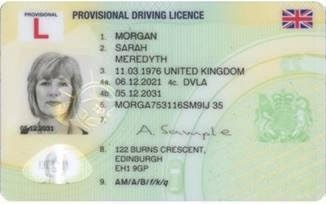
- Issuing Driving Licenses: One of the primary roles of the DVLA is to issue driving licenses to qualified individuals. This involves strict adherence to standards for testing candidates, which includes both theoretical and practical assessments. The DVLA also manages provisional licenses for new drivers and renewals for existing licenses.
- Vehicle Registration: The DVLA is responsible for registering vehicles in the UK. When individuals purchase new or used vehicles, they must complete the registration process through the DVLA. This ensures that all vehicles on the road are accounted for and adhere to safety standards.
- Road Tax Collection: The agency collects Vehicle Excise Duty (road tax) which is essential for financing road infrastructure and maintenance. Drivers must pay this tax to keep their vehicles roadworthy. The DVLA monitors payments and handles enforcement for those who fail to comply.
- Driving Offenses and Penalties: The DVLA plays a role in ensuring road safety by monitoring driving offenses. It maintains a record of penalty points accumulated by drivers and can suspend or revoke licenses for those who exceed certain thresholds.
- Support for Mobility and Accessibility: The DVLA also caters to individuals with disabilities by offering specialized driving licenses and parking permits. The agency works to enhance mobility for all citizens, ensuring that everyone has the opportunity to drive safely.
Importance of the DVLA
The DVLA holds a pivotal position in promoting public safety and accountability on UK roads. By regulating who can drive and maintaining comprehensive records of both drivers and vehicles, the agency helps reduce accidents and improve overall road safety. Its impact can be seen in various ways:
Enhancing Road Safety
Through rigorous testing procedures and strict compliance with regulations, the DVLA helps ensure that only qualified individuals operate vehicles. This reduces the likelihood of accidents caused by unqualified or reckless drivers. Regular updates to driving regulations also reflect changing road conditions and safety requirements.
Supporting Economic Growth
The DVLA contributes to the UK’s economy by facilitating vehicle ownership and operation. By ensuring smooth vehicle registration and tax processes, the agency supports businesses that rely on transportation for goods and services, ultimately boosting economic efficiency.
Promoting Environmental Responsibility
As awareness of environmental concerns grows, the DVLA has embraced initiatives aimed at promoting eco-friendly practices. This includes registering electric vehicles and providing guidance on low-emission zones. The agency plays a role in the UK’s broader commitment to sustainability and reducing carbon emissions.
Interacting with the DVLA
Online Services
The DVLA has embraced digital transformation, offering a range of online services for individuals and businesses. From quickly renewing driving licenses to checking vehicle tax status, the DVLA’s website is user-friendly and efficient. Here are some key online services:
- Driving License Applications: Individuals can apply for a new driving license or renew an existing one online. This process is streamlined, allowing users to upload necessary documentation with ease.
- Vehicle Registration: Buyers of new or used vehicles can register their vehicles online, making the process more accessible and quicker. The DVLA provides clear instructions to ensure compliance with all requirements.
- Tax Payments: Road tax can be paid online, providing an efficient way for drivers to stay compliant with regulations. The system sends reminders for renewals to help drivers avoid penalties.
Contacting the DVLA
For queries that require personalized assistance, the DVLA can be contacted via various channels:
- Phone: The agency provides dedicated phone lines for different services, enabling quick and effective resolution of issues.
- Postal Services: While online services are encouraged, individuals can still send applications and queries via traditional mail.
- Social Media: The DVLA maintains an active presence on social media platforms, offering updates and engaging with the public regarding road safety and licensing information.
Common Issues and Resolutions
While the DVLA strives to provide seamless services, individuals may encounter various challenges. Understanding these common issues can help users navigate the system more effectively:
Delayed Processing Times
One prevalent issue is delayed processing times for license applications or vehicle registration. This can result from high volumes of applications, especially during peak periods. Users are advised to apply well in advance of their needs and utilize online services for faster processing.
Incorrect Information
Mistakes can happen, whether from user input or in the DVLA’s systems. Individuals should always double-check the information on their licenses or registrations. If discrepancies arise, contacting the DVLA directly is the best course of action.
Road Tax Non-Payment
Failing to pay road tax can lead to penalties. The DVLA provides reminders and easy access to payment options, so drivers should ensure they stay up-to-date with their tax obligations to avoid fines.
Conclusion
The Driver and Vehicle Licensing Agency is an indispensable institution in the UK, ensuring road safety, regulatory compliance, and efficient vehicle management. Its operations impact everyday lives, facilitating driving for millions while also reinforcing essential safety standards. By leveraging modern technology and prioritizing accessibility, the DVLA continues to evolve, ensuring that it meets the needs of the public effectively. Whether you’re a first-time driver, a business owner, or simply someone seeking information, understanding the DVLA and its services can enhance your experience on the road.
By keeping this essential information in mind, users can navigate the processes involved with the DVLA more confidently, while acknowledging the agency’s critical role in promoting safe and responsible driving across the United Kingdom.