new driving licence
Getting a driving licence is a major milestone in life, offering a new level of independence and mobility. Whether you’re applying for your first driving licence or replacing an old one, understanding the process in the UK is essential. The UK driving licence system is structured to ensure that drivers are competent, responsible, and capable of handling the roads safely. This comprehensive guide will explore everything you need to know about obtaining a new driving licence in the UK, from applying for a provisional licence to passing the driving test and the responsibilities that come with being a licensed driver.
The Basics of a UK Driving Licence
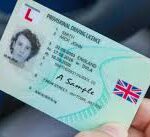
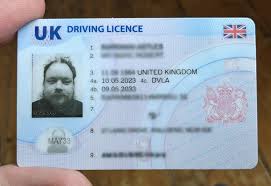
A UK driving licence is an official government-issued document that gives you the legal right to drive a vehicle on public roads. The licence is issued by the Driver and Vehicle Licensing Agency (DVLA), and it serves as both an identity document and a confirmation of your driving abilities. A driving licence is typically valid for 10 years, after which you must renew it.
In the UK, there are several different types of driving licences depending on the kind of vehicle you wish to drive. The most common is the full car driving licence, but licences are also available for motorcycles, lorries, buses, and other types of vehicles. In addition, there is a provisional licence for new drivers and those learning to drive.
What is a Provisional Driving Licence?
A provisional driving licence is the first step for any new driver in the UK. It is a legal requirement before you can begin learning to drive on public roads. To apply for a provisional driving licence, you must be at least 17 years old (16 for those with a disability). If you have a provisional licence, you are allowed to drive a car or motorcycle, but there are a few restrictions.
For instance, when driving with a provisional licence, you must be accompanied by a qualified driver who is at least 21 years old and has held a full driving licence for at least three years. You can also drive alone with a provisional licence, but only if the vehicle is insured in your name.
The provisional licence allows you to begin taking driving lessons from an approved instructor. It is an essential part of the learning process and must be obtained before taking the theory test, which is a prerequisite for the practical driving test.
How to Apply for a Provisional Licence
To apply for a provisional driving licence in the UK, you need to meet a few basic eligibility requirements. First, you must be at least 17 years old (16 for those with disabilities), a resident of the UK, and able to meet certain health and vision standards. You will also need to provide proof of your identity, which can be done using a passport or another official document.
You can apply for a provisional licence online through the DVLA website, or you can apply by post using a D1 application form, which you can get from a post office or order online. The application fee for a provisional licence is typically £34 when applying online or £43 by post. You will also need to provide a passport-style photograph as part of your application.
After your application is processed and approved, the DVLA will send your provisional driving licence to the address you provided. The process typically takes about a week, but it may take longer in some cases.
The Driving Theory Test
Before you can take your practical driving test, you must first pass the theory test. The driving theory test is designed to assess your knowledge of the rules of the road, road signs, and driving safety. It consists of two parts: a multiple-choice section and a hazard perception test.
The multiple-choice section consists of 50 questions, and you must answer at least 43 correctly to pass. The questions are based on the UK Highway Code and cover a wide range of topics, from road signs and signals to rules about speed limits, parking, and motorway driving.
The hazard perception test is a video-based test where you will be shown 14 video clips of different driving scenarios. In each clip, you need to identify a developing hazard by clicking the mouse when you spot it. A hazard is something that may cause you to change speed or direction while driving, such as another vehicle pulling out in front of you or an obstruction in the road.
You can take the theory test at any approved test centre across the UK. It costs £23 to book the theory test, and you must pass both sections before you can move on to the practical test.
The Practical Driving Test
The practical driving test is the final step in obtaining a full UK driving licence. The test is designed to assess your ability to drive safely in a variety of real-world situations. The practical test consists of several parts, including:
- Show Me, Tell Me Questions: These questions test your knowledge of the basic maintenance of your car. You may be asked to explain how to check the oil or water levels, or how to replace a tyre.
- Vehicle Safety Questions: These questions assess your understanding of vehicle safety features, such as lights, brakes, and tyres.
- The Driving Test: The main part of the practical driving test is an on-road assessment where you will be asked to demonstrate your ability to control the vehicle, obey traffic laws, and navigate various traffic situations safely. You will be assessed on your observation skills, control of the vehicle, use of mirrors, positioning, and ability to handle roundabouts, junctions, and other common road features.
The test lasts about 40 minutes and will take place on public roads. You will be required to perform various manoeuvres, such as parallel parking, reversing around a corner, and performing a three-point turn. You will also be asked to drive in different conditions, such as through busy town centres, residential areas, and on the motorway if applicable.
The practical test costs £62, and if you pass, you will be issued a full UK driving licence. If you fail, you will need to retake the test after a waiting period.
What Happens After Passing the Practical Test?
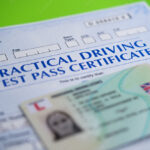
Once you pass the practical driving test, you are legally entitled to drive a car on UK roads. However, you will only receive a temporary certificate until your full driving licence arrives in the mail. The full licence will typically be sent within three weeks of passing your test.
You must continue to drive responsibly and follow all road safety regulations. While you are a new driver, you will have probationary periods where certain restrictions apply. For example, new drivers in the UK who pass their test will be issued with a probationary licence, during which you must be especially careful, as accumulating six or more penalty points within the first two years can result in the loss of your licence.
What Are the Different Types of Driving Licences in the UK?
The UK has several different categories of driving licences, depending on the type of vehicle you want to drive. The most common categories are:
- Category B: This is the standard driving licence for cars and other vehicles weighing up to 3.5 tonnes. Most drivers in the UK will hold this type of licence.
- Category A: For motorcycles, there are different subcategories based on engine size and power, including Category A1 (light motorcycles) and Category A2 (restricted power motorcycles).
- Category C: This licence allows you to drive large goods vehicles (lorries) over 3.5 tonnes.
- Category D: For buses, coaches, and other passenger vehicles that seat more than 16 passengers.
Additionally, there are specific licences for people with disabilities, and if you want to drive a vehicle with special modifications, you may need to apply for a specific licence type.
Renewing a UK Driving Licence
In the UK, your driving licence is typically valid for 10 years. After this period, you must renew it to keep your licence valid. You can renew your driving licence online through the DVLA website or by post. You may also need to provide updated medical information or declare any health conditions that could affect your ability to drive safely. The cost of renewing your licence is £14 online or £17 by post.
If you are over the age of 70, you are required to renew your driving licence every three years.
Conclusion
Getting a new driving licence in the UK is an exciting and important achievement. It opens up opportunities for greater independence and mobility. However, it’s essential to understand the entire process, from applying for a provisional licence and passing the theory test to completing the practical driving test and taking on the responsibility of driving safely on public roads. With the right preparation, careful attention to driving laws, and a commitment to safety, you can enjoy the freedom that comes with holding a full UK driving licence.
new driving licence
new driving licence new driving licence new driving licence new driving licence new driving licence new driving licence new driving licence new driving licence new driving licence new driving licence new driving licence new driving licence